
Social Connections in Retirement: Building Friendships That Last
Why social connections matter in retirement, and practical ways to build lasting friendships after work — community groups, volunteering, and everyday connection ideas for a fulfilling next chapter.
Richard B - Founder, Next Chapter Living
9/30/20265 min read

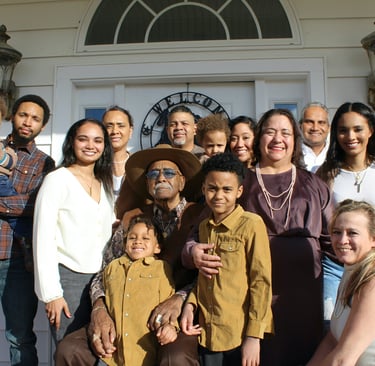
When you imagine retirement, what comes to mind? For many of us, the initial dream centers around unhurried mornings, escaping the daily commute, taking up long-neglected hobbies, or travelling to destinations we dreamed about during our working years. Yet, once the initial novelty of open schedules settles, a quieter and far more fundamental realization emerges: our social landscape has dramatically shifted.
During our working lives, social interactions happened automatically. We shared morning tea breaks, collaborated on projects, and chatted with colleagues, neighbours, or fellow parents at the school gates. When work stops, those built-in social structures gently dissolve. Suddenly, designing a rewarding social life retirement routine becomes a conscious, deliberate choice rather than an automatic byproduct of a busy schedule.
Building and maintaining meaningful social connections in retirement is not just a pleasant bonus—it is one of the most vital investments you can make in your long-term health, happiness, and vitality. Whether you live in the UK, have moved to a coastal town, or are enjoying retirement anywhere across the globe, creating lasting retirement friendships is entirely within your reach.
Why Social Connections Matter in Retirement
It is easy to view friendship simply as a source of weekend enjoyment, but research consistently demonstrates that strong social bonds play an essential role in healthy aging.
Protecting Physical and Mental Health
Study after study confirms that robust social connections in retirement have a profound impact on physical well-being. Regular interaction lowers blood pressure, strengthens immune function, and reduces cardiovascular risks. On a mental level, staying socially active keeps cognitive skills sharp, protects against memory decline, and lowers rates of depression and anxiety.
Tackling Loneliness in Retirement
Despite having more leisure time, many retirees experience an unexpected feeling of isolation. Addressing loneliness in retirement is crucial because chronic solitude carries health risks comparable to physical inactivity. Knowing that others care about your day, share your interests, or look forward to seeing you gives your weeks structure, warmth, and emotional security.
Enhancing Purpose and Quality of Life
Friendships give us laughter, emotional support during challenging times, and a shared sense of purpose. Sharing experiences—whether walking along a scenic coastline, discussing a good book, or working together on a local project—amplifies the joy of retirement and helps you create a rich chapter of life.
Common Challenges to Socializing in Later Life
Before exploring how to build new relationships, it helps to acknowledge the common hurdles that many people face after stepping away from the workforce. Recognizing these obstacles allows us to navigate them with patience and self-compassion.
Losing Workplace Social Networks
For decades, your job provided an immediate community. Leaving the workplace can feel like losing a ready-made support system overnight, as daily catch-ups with colleagues suddenly cease.
Friends Relocating or Moving Away
In retirement, friends may downsize, move closer to family, or relocate to sunshine destinations, leaving unexpected gaps in your local circle.
Health and Mobility Limitations
Changes in physical health, energy levels, or driving confidence can make spontaneous meetups or traveling long distances more challenging than before.
Loss of Daily Routine and Structure
Without structured working hours, days can lack natural touchpoints for casual conversation, making proactive social planning necessary.
Practical Ways to Build New Friendships
Making friends after retirement might feel daunting if you haven't done it in years, but the key is placing yourself in environments where shared interests naturally foster conversation. Here are some of the most effective avenues to explore:
Join Local Clubs and Interest Groups
Whether your passion is gardening, photography, chess, or local history, joining a dedicated group immediately connects you with like-minded individuals. Organizations such as the University of the Third Age (U3A) across the UK—and similar community groups worldwide—offer dozens of low-cost, member-led interest groups specifically tailored for retirees.
Volunteer for Causes You Care About
Volunteering is one of the most rewarding ways to meet kind, community-minded people. Local wildlife trusts, food banks, charity shops, historical sites, and animal shelters are always eager for reliable support. Working side-by-side on a shared goal creates instant camaraderie without the pressure of awkward small talk.
Take Adult Education Classes and Workshops
Enrolling in a local pottery course, language class, cooking workshop, or computer skills group gives your week a delightful focus while putting you alongside fellow learners. Learning something new together breaks the ice naturally, giving everyone a shared topic to discuss from day one.
Explore Community Groups, Walking Clubs, and Fitness Classes
Physical activity and social connection make a fantastic combination. Gentle walking groups, outdoor bowls clubs, tai chi in the park, or aqua-aerobics classes offer a relaxed setting to chat while staying active. Many walking groups end their strolls with a warm cup of tea at a local cafe—a classic setting for making new friends.
Engage with Interest-Based Online Communities
Digital tools have made finding niche communities easier than ever. Platforms like Meetup, local Facebook groups, or virtual book clubs allow you to connect with people locally or globally who share your specific hobbies. Online interactions often lead to offline coffee dates and group meetups.
How to Maintain and Nurture Existing Friendships
While making new friends is exciting, preserving long-standing relationships is equally important for maintaining a fulfilling social life in retirement.
Practice Intentionality
Without work routines bringing you together, maintaining friendships requires intentional effort. Mark birthdays on your calendar, send casual text updates, or pick up the phone for a quick catch-up rather than waiting for "the right time."
Establish Regular Touchpoints
Consistency builds closeness. Consider establishing a recurring habit with good friends—such as a weekly Tuesday morning coffee, a monthly supper club, or a bi-weekly phone call. Predictable routines make it effortless to stay connected despite busy family schedules.
Adapt Activities to Changing Needs
If a friend develops health or mobility challenges, adapt how you spend time together. Swap an energetic day trip for a quiet afternoon in the garden, a home-cooked lunch, or a cozy movie afternoon. True friendship thrives when we adapt with empathy and flexibility.
The Joy and Value of Intergenerational Connections
While building retirement friendships with peers who understand your stage of life is deeply comforting, connecting across generations brings unique energy, inspiration, and fresh perspectives.
Mentoring and Skills Sharing
Your lifetime of career and personal wisdom is remarkably valuable. Mentoring young professionals, tutoring local students, or guiding youth enterprise schemes allows you to give back while building meaningful, respectful bonds with younger generations.
Community, Youth, and Family Involvement
Spending time with younger family members, supporting local youth sports teams, or helping out with community theater projects keeps you tuned into evolving cultural trends and fresh ideas, ensuring your social life stays dynamic and varied.
Overcoming Shyness and Social Anxiety in Later Life
If you are naturally introverted or feel anxious about putting yourself out there after years of routine, remember that you are far from alone. Many people experience social hesitation when entering a new phase of life.
Start with Small Steps
You don't need to join five new clubs at once. Begin with a single low-pressure activity, such as attending a quiet library talk, taking a short workshop, or visiting a local farmers' market.
Focus on Shared Activities
Choose activities where the primary focus is doing something together, such as a craft workshop, a choir practice, or a gardening project. Having an activity in front of you reduces the pressure to carry a conversation continuously.
Practice Gentle Self-Compassion
Remind yourself that everyone in a new group was once a beginner. Most people are warmly receptive and eager to welcome a new face into their group.
Become an Active Listener
Being a good listener is a superpower in friendship. Asking simple, open-ended questions about others' hobbies or experiences immediately puts people at ease and builds rapport.
Conclusion: Take Your First Step Today
Cultivating rich, meaningful social connections in retirement is an ongoing journey of discovery, warmth, and personal growth. By stepping into new experiences, volunteering, or simply reaching out to an old acquaintance, you open the door to lasting retirement friendships that will enrich every single day of your post-career life.
Remember, every deep friendship begins with a simple "hello." Take that first step today—attend a local gathering, sign up for a class, or reach out to someone you haven't spoken to in a while.
Looking for More Retirement Lifestyle Inspiration?
At nclivinghome.com, we are dedicated to helping you craft a fulfilling, healthy, and joyous retirement. Explore our comprehensive guides on wellness, leisure activities, home living, and financial peace of mind. Visit nclivinghome.com today to discover expert insights and practical resources designed to help you live your best life in retirement!
