

Mental Well-Being in Retirement: Look After Yourself
You didn’t come this far to stop
Mental health and well-being in retirement
Everything you need to understand, protect, and nurture your mental health through one of life's biggest transitions.
"Nobody warns you that the hardest part of retirement isn't financial — it's figuring out who you are when work no longer defines you."
Mental health becomes especially important in retirement because it underpins how well you adapt to one of life's biggest transitions. Moving away from a structured routine, professional identity, and daily social interactions can leave a gap that, if not managed, may lead to feelings of isolation, low mood, or loss of purpose.
Strong mental wellbeing helps you navigate this change with confidence, maintain a positive outlook, and stay engaged with the world around you. By maintaining a sense of purpose, building new routines, and nurturing connections, you can create a fulfilling and balanced lifestyle that promotes long-term happiness and overall wellbeing.
2x
More likely to thrive with strong social connections
Why retirement can be harder than expected
We spend decades building our identity around work — our job title, our colleagues, our daily rhythm. When that structure disappears, even people who were desperately looking forward to retirement can find themselves feeling unexpectedly adrift.
This isn't weakness. It's a completely normal response to a profound life change. Understanding what's happening is the first step to navigating it well.
Signs to watch for
Not all of these mean something is seriously wrong — but if several feel familiar and persist for more than a few weeks, it's worth paying attention.
Loss of routine
Days feel shapeless, hours drift by without purpose or structure.
Low motivation
Activities that once brought joy feel flat or uninteresting.
Restlessness
Feeling bored or under-stimulated, even with plenty of free time.
Identity uncertainty
"Who am I now?" — struggling to answer beyond your former job title.
Social withdrawal
Turning down invitations, preferring to stay home, fewer conversations.
Relationship tension
More time at home can surface friction with partners or family.
When to seek support:
If you're experiencing persistent low mood, anxiety, or feelings of hopelessness for more than two weeks, please speak to your GP. Early support makes a significant difference. You don't have to feel this way.
Helpful UK resources
If you'd like additional support, these organisations offer free, trusted guidance:
Mind
Leading mental health charity with guides, helplines, and local support. mind.org.uk
Age UK
Dedicated support for older adults including loneliness, bereavement, and wellbeing. ageuk.org.uk
NHS Every Mind Matters
Free NHS mental health tools and personalised action plans. nhs.uk/every-mind-matters
The Silver Line
Free confidential helpline for older people, available 24/7. thesilverline.org.uk
You're not alone in this
Explore our resources and tools — designed to help you build a retirement you genuinely love.
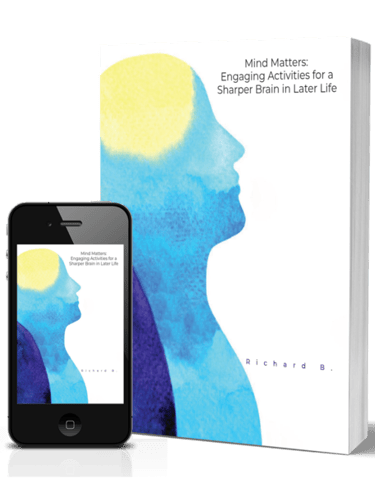
Ready To Make The Most Of Retirement?
Explore our retirement guides and start building the future you've worked so hard to achieve.
1 in 4
Retirees experience depression in their first year
40%
Report feeling less useful after leaving work











Subscribe to our newsletter
Get practical retirement guidance in your inbox
Receive useful planning prompts, new guides, lifestyle ideas, and carefully selected resources for your next chapter.
Embrace Retirement Joy
Prepare for your next chapter with resources for planning, hobbies, travel, and social connections.
© 2026. All rights reserved.
Retirement
Embrace your new phase of life with us.